How you go in changes how you come out.
You have a date on the calendar and a folder of instructions, and almost all of it is about the procedure itself. The part nobody walks you through is the months on either side of it. Surgery repairs a structure. It does not hand back the strength, the range or the confidence you lost on the way there.
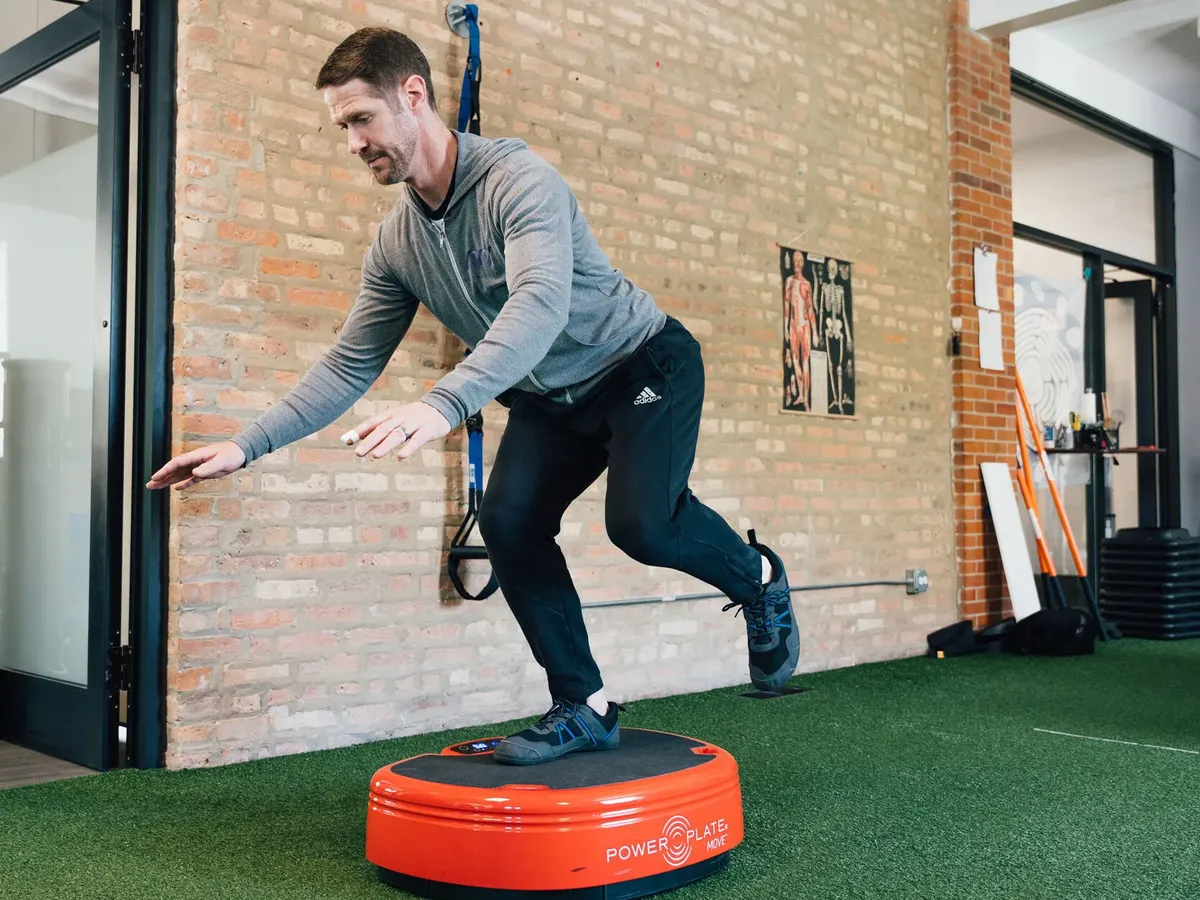
That is what prehab is for. Walking into an operation with more strength, better range and a nervous system that is not braced against every movement changes what the first weeks afterward feel like. You already know the exercises. You already know your therapist. Recovery starts from a higher floor.
Every surgical recovery meets the same few obstacles.
None of this means something went wrong. It is what tissue, muscle and the nervous system do after an operation. Each one responds far better to being addressed early than to being waited out.
Range That Quietly Shrinks
Scar tissue and protective guarding pull down how far the joint will travel, and it happens in the first weeks rather than gradually.
Strength That Vanishes Fast
Muscle around the surgical site fades within days, driven by pain inhibition and disuse rather than by the repair itself.
Swelling and Soreness
Normal after an operation, and much easier to manage with early movement, hands-on work and a home plan you can actually follow.
Scar Tissue Restriction
Adhesions under and around the incision limit the glide between tissue layers, and the joint starts to feel stuck rather than sore.
Fear of Moving It
You are protecting an expensive repair, which is sensible. Graded exposure and a clear explanation turn that caution back into confidence.
Muscles That Will Not Switch On
The nervous system dials down recruitment near a surgical site. Targeted work reminds it that the muscle is safe to use again.
We work with your surgeon, not around them.
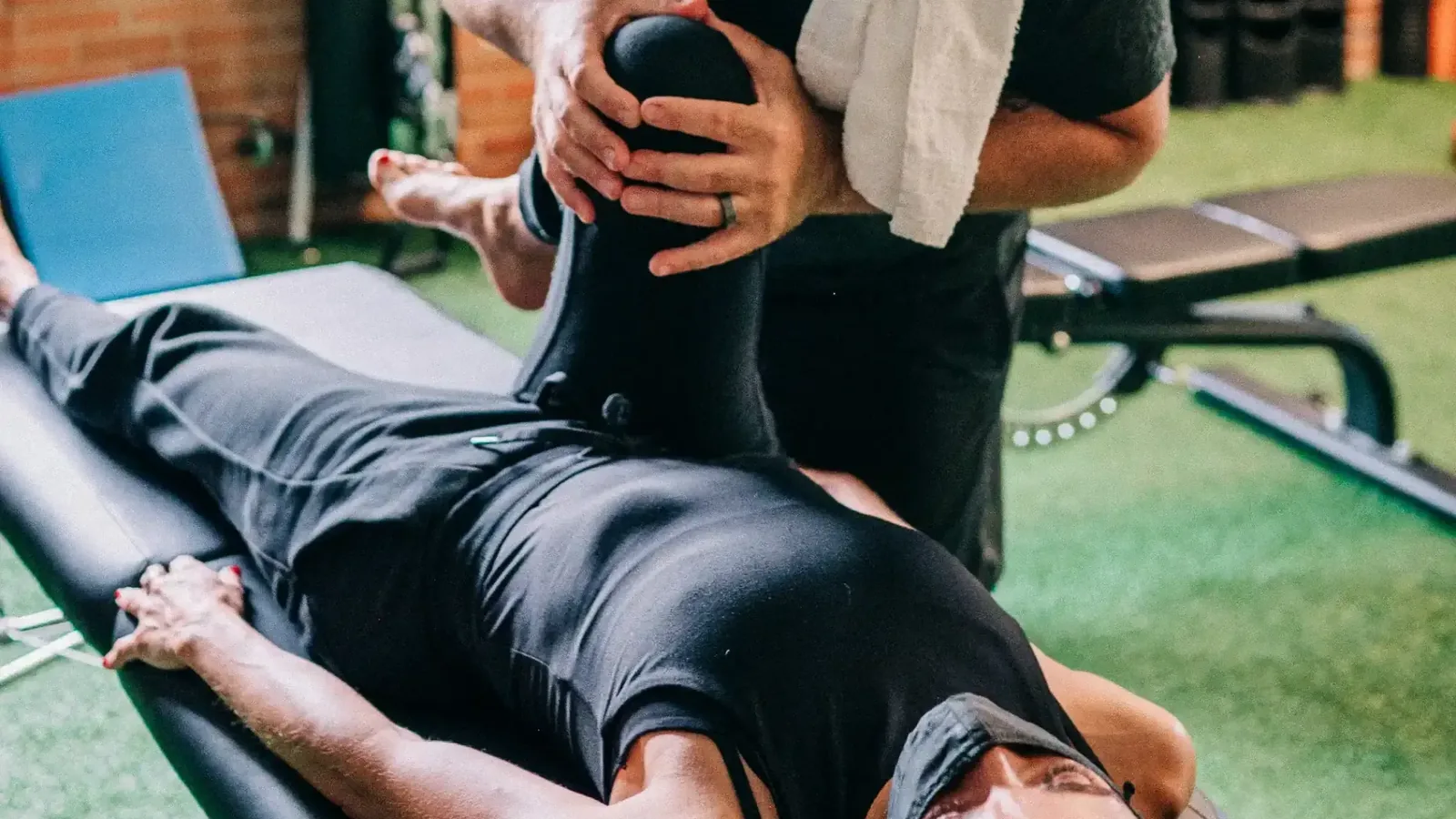
Your surgeon's protocol sets the boundaries and we stay inside them. Inside those boundaries there is a lot of room, and that is where the real work happens: hands-on mobilization, graded loading, and retraining the movement pattern you will actually use rather than the one that currently hurts least.
Dr. Rachel Fuller, PT, DPT, works with post-operative cases, and every session here is one-on-one. We measure range, strength and function as we go, so each progression is a decision based on what your body is doing that week, not on what the calendar says.
No referral needed in Illinois, so prehab can start as soon as surgery is on the calendar.
Schedule Your Appointment
Whether the surgery is next month or was last week, the earlier we see you the more room there is to work. Illinois Direct Access means no referral is needed to get started.
Your first visit is a full evaluation. Bring your surgical date or your operative report, tell us what you are worried about, and leave with a plan.
You’re all set.
We’ll reach out within one business day to confirm your appointment. If you need to speak with us sooner, call us directly.