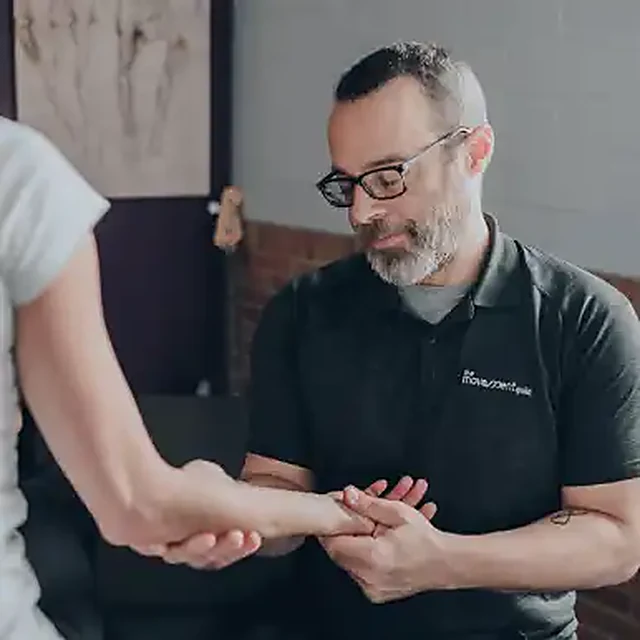
Adam Wolf, PT, LMT, FAFS
FounderThe brain-based approach the whole practice runs on, built over nearly two decades of clinical work. Author, continuing education instructor, and currently pursuing a PhD in Physical Therapy at Loma Linda University.
You have tried resting. You have tried PT somewhere else. If it keeps coming back, something got missed. One-on-one care in Chicago that treats how your brain and body move together, so the change holds.
No referral needed in Illinois · In-network with BCBS, PPO and Medicare.
We’ll reach out within one business day to confirm your appointment. If you need to speak with us sooner, call us directly.
Get to know the clinic, the team and how we work before your first visit.
You rested it. You did a round of PT somewhere else. It settled down, then it came back. That usually means nobody looked at how your whole body moves, only at the spot that hurts. Here is what changes when someone does.
You get a few real minutes, then you are handed off to whoever is free while the clinician moves to the next room.
The knee gets the ice and the exercises. Nobody asks why the knee is the part taking all the load.
The same handout everyone walks out with, whatever brought them in and whatever their week actually looks like.
Massage across town, training at your gym, recovery wherever. None of those people talk to each other.
The pain quiets down, the visits stop, and the same thing turns up again a few months later.
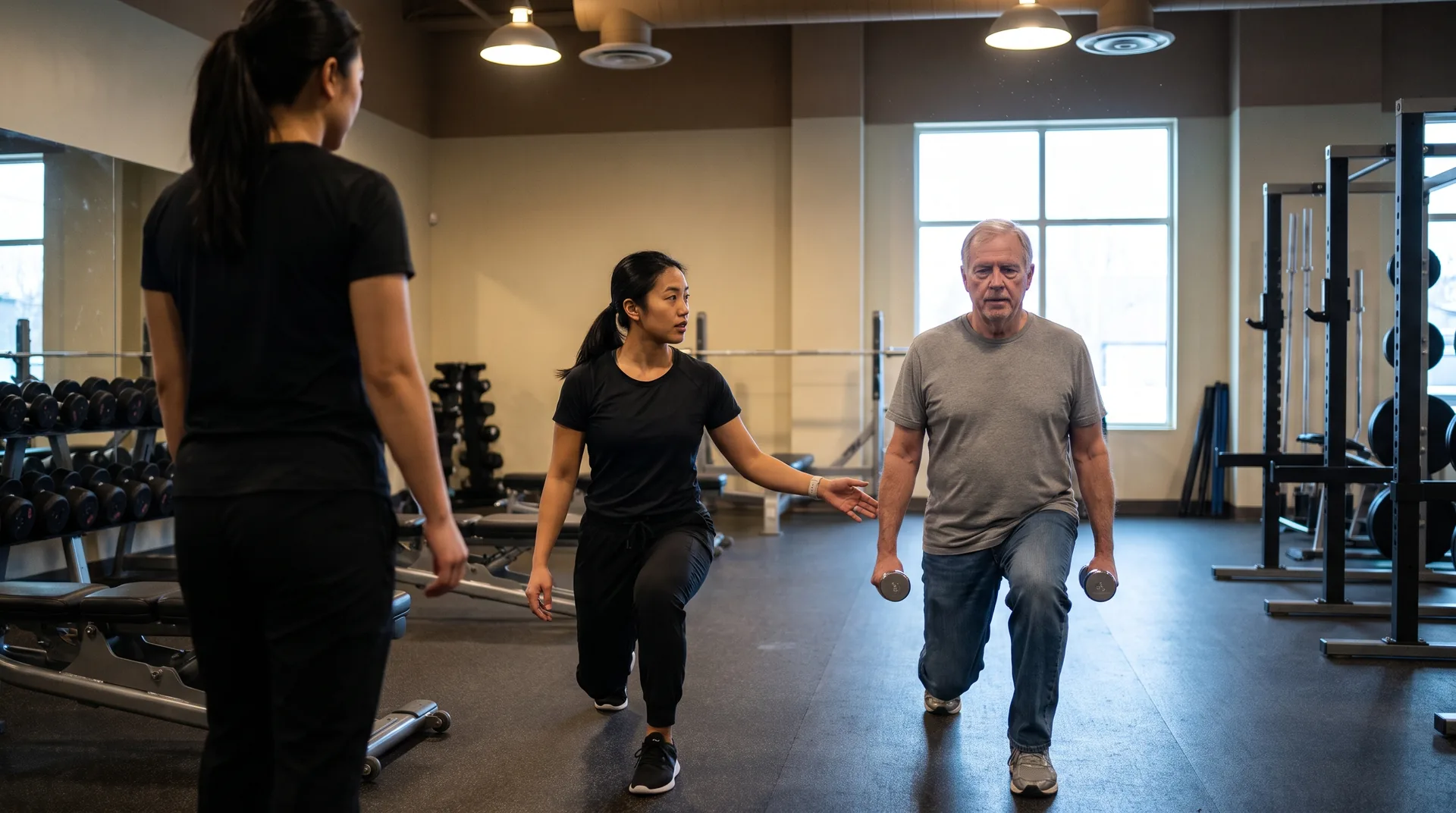
Your clinician stays in the room with you. Nothing gets handed off and nothing gets squeezed in around somebody else.
A full movement assessment first, because the painful area is usually paying for a restriction somewhere further up the chain.
Never one-size-fits-all. Every body moves differently and every recovery is different, so the plan is written for yours.
Physical therapy, massage, personal training, Kinstretch, yoga and recovery systems, all in the same building and on the same page.
A brain-based approach that rebuilds capacity, so you do not just recover, you build resilience.
The difference is not a philosophy. It is what happens in the room with you.
Book My First VisitThese are Google reviews from people who came in after something else did not hold. Over 300 five-star reviews sit behind them. Nothing here was filtered, edited or written by us.
Book My First Visit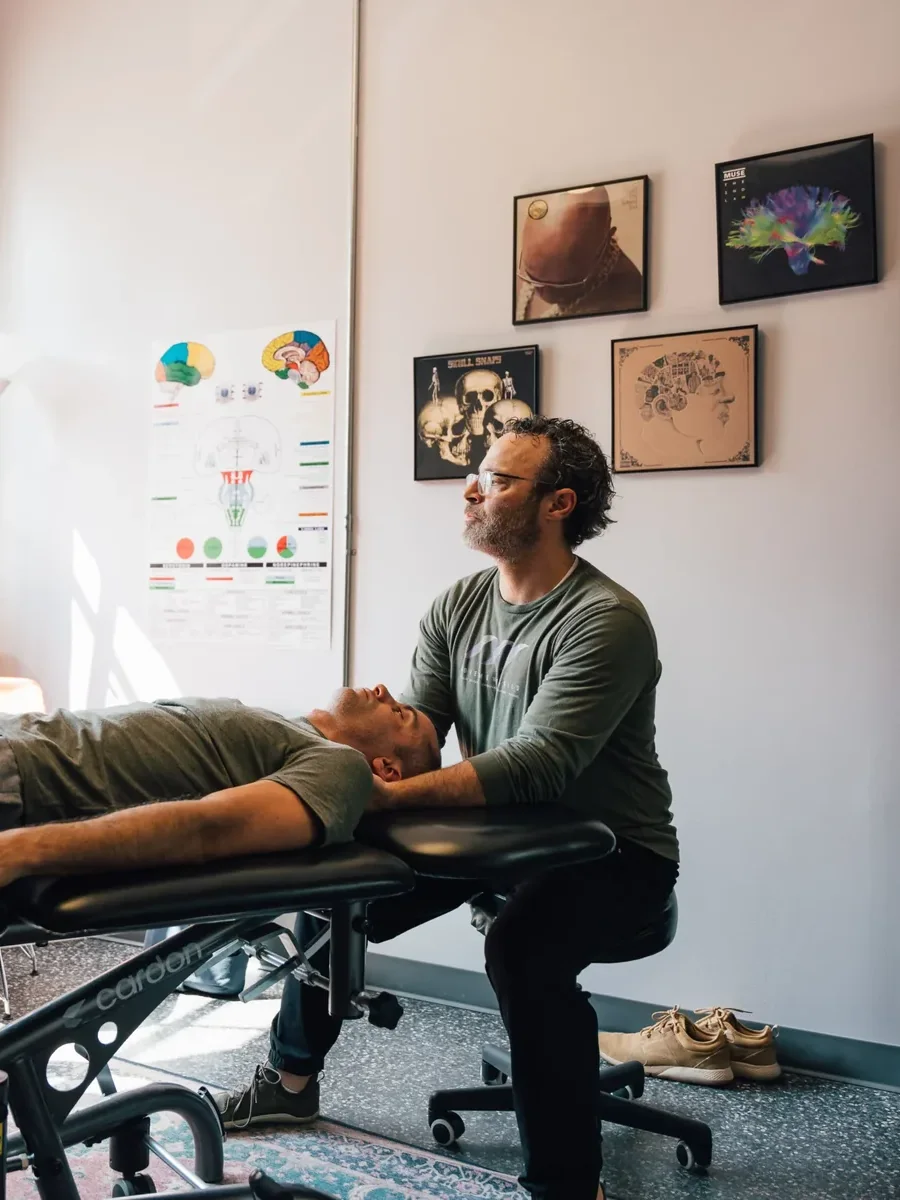
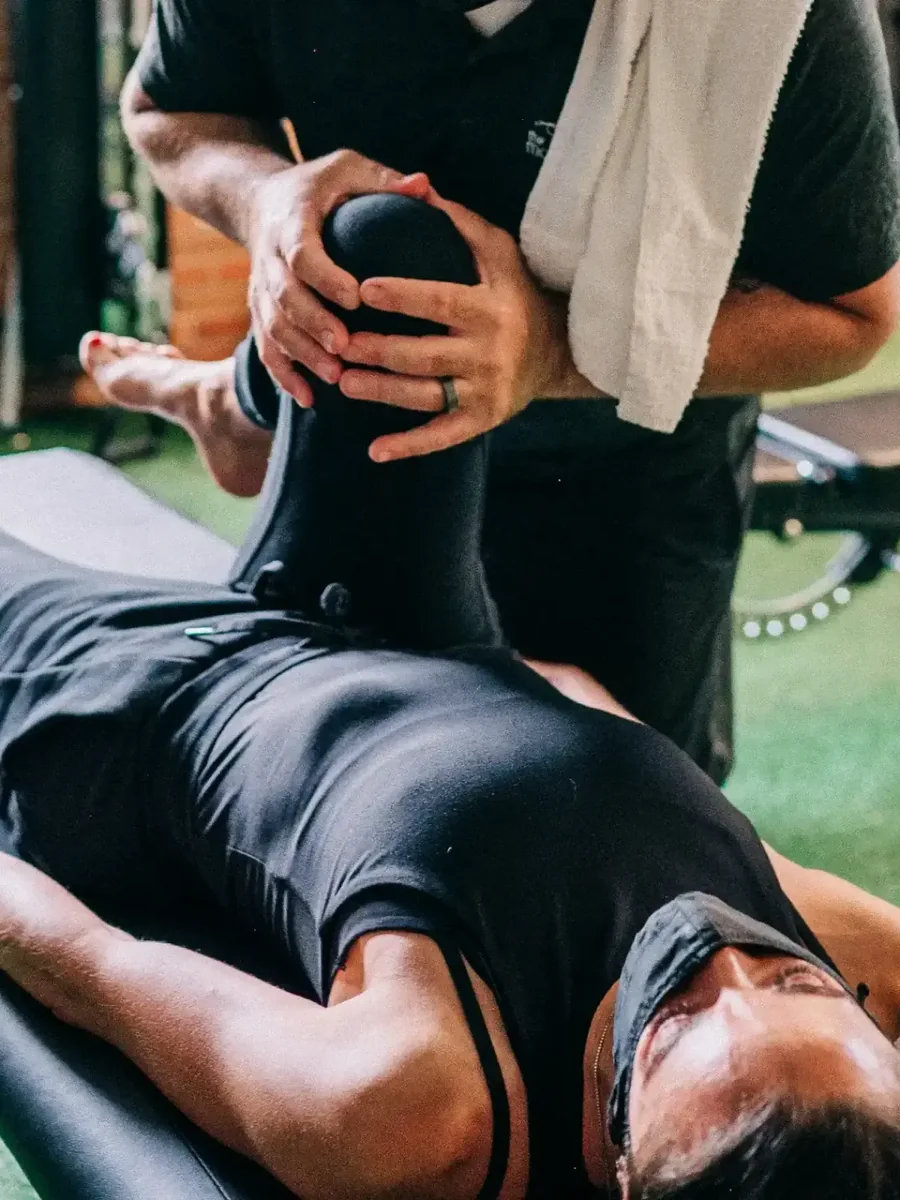
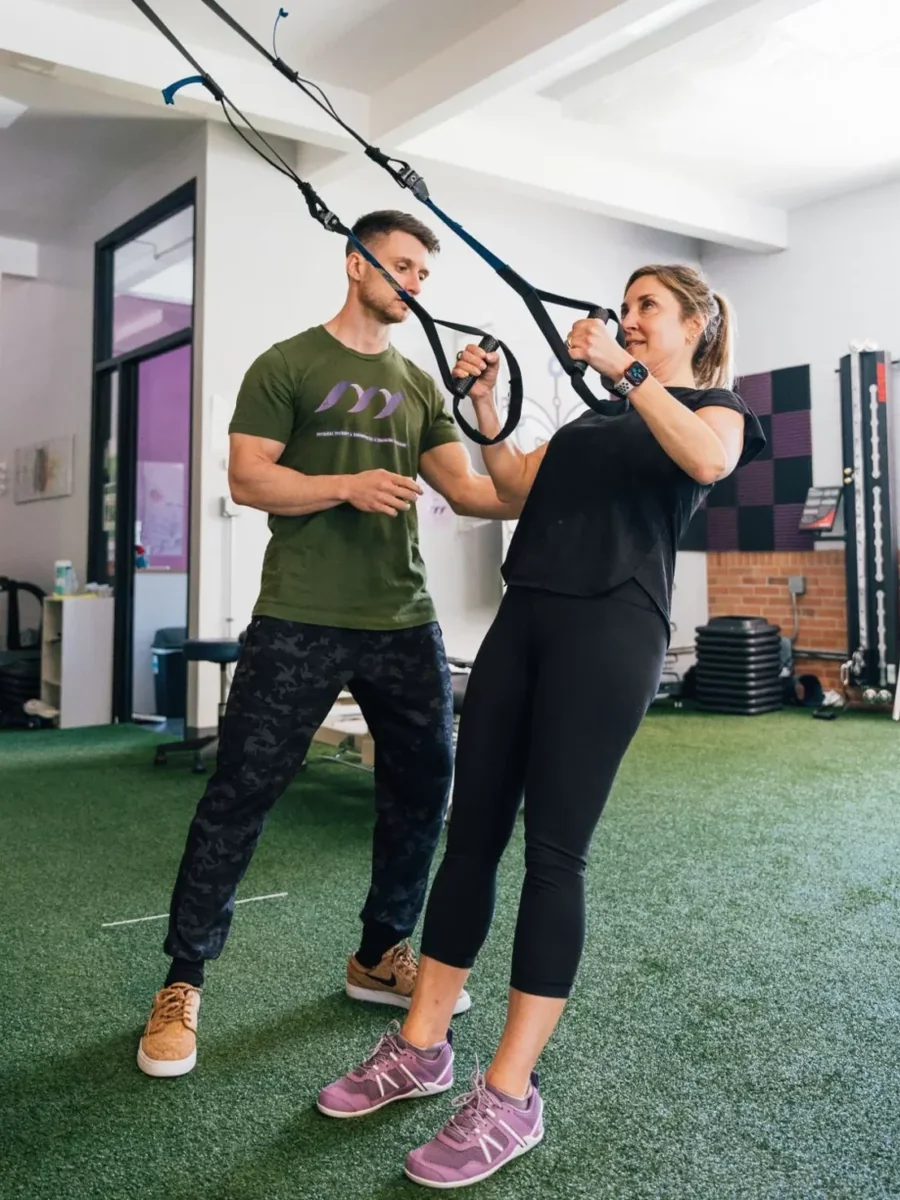
We start with what you have already tried and where it stopped working. Nothing gets tested until we understand what your body has actually been through.
Then we assess how the whole chain moves, not just the area that hurts. The painful spot is often the part paying for a restriction somewhere else.
Hands-on work and brain-based movement input change the signal, then we load the pattern back in. You do not just recover, you build resilience.
This is the framework the whole practice runs on. It does not end when the pain quiets down, because that is exactly the point where most people get sent home and end up back where they started.
A full look at how you actually move, not just where it hurts. We map the whole chain before deciding what needs to change.
Change the signal. Manual work and neuro input give the nervous system a reason to let the guarding go.
Load it back in, in the pattern you will actually use. Strength that only exists on a treatment table does not transfer to your life.
Capacity beyond the point where the pain stopped. This is the stage most plans skip, and skipping it is why things come back.
The tools that keep it there. Massage, mobility work and recovery systems that hold the gain once you are out of the clinic.
One-on-one rehabilitation built on a brain-based look at how you move. This is the foundation everything else at the practice sits on.
Targets the tension that stayed put when other methods came up short.
Hands-on work that changes the signal and lets the guarding let go.
Leaking, pelvic pain, prenatal and postpartum recovery, named plainly and treated privately.
Back to your sport with the capacity to stay there, not just to start again.
Coached mobility training that turns new range of motion into range you can control.
Twenty two conditions, from the low back you have managed for years to pelvic health and perinatal care. The question we start with is always the same one you have been asking: why is this still here?
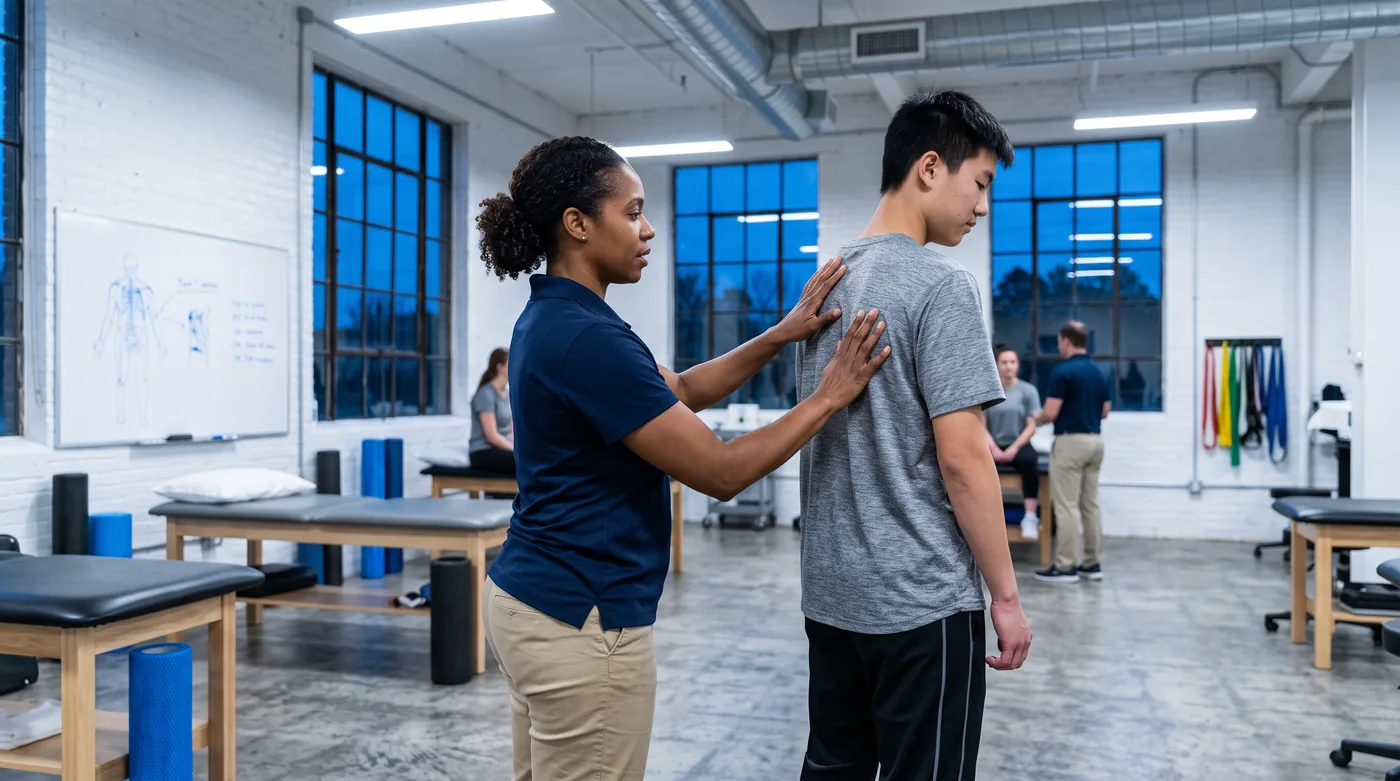
The brain-based approach the whole practice runs on, built over nearly two decades of clinical work. Author, continuing education instructor, and currently pursuing a PhD in Physical Therapy at Loma Linda University.
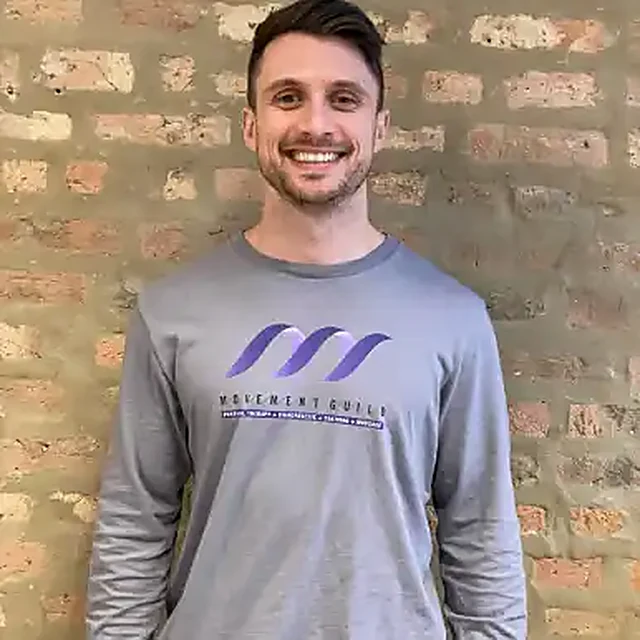
A former professional bodybuilder and powerlifter who now treats the barbell athletes and weekend lifters who want to keep training through it.
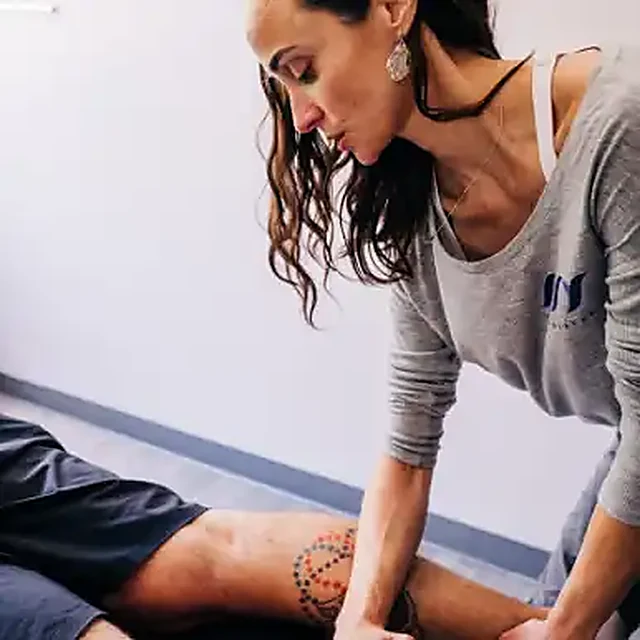
Manages the clinic, treats as a licensed massage therapist, and teaches our yoga and Kinstretch classes. Also runs our community outreach.

Another year of working around it is another year of the same pattern setting deeper, and of doing less than you want to. One evaluation tells you what is actually driving it and what the plan would look like. You decide from there.
We’ll reach out within one business day to confirm your appointment. If you need to speak with us sooner, call us directly.